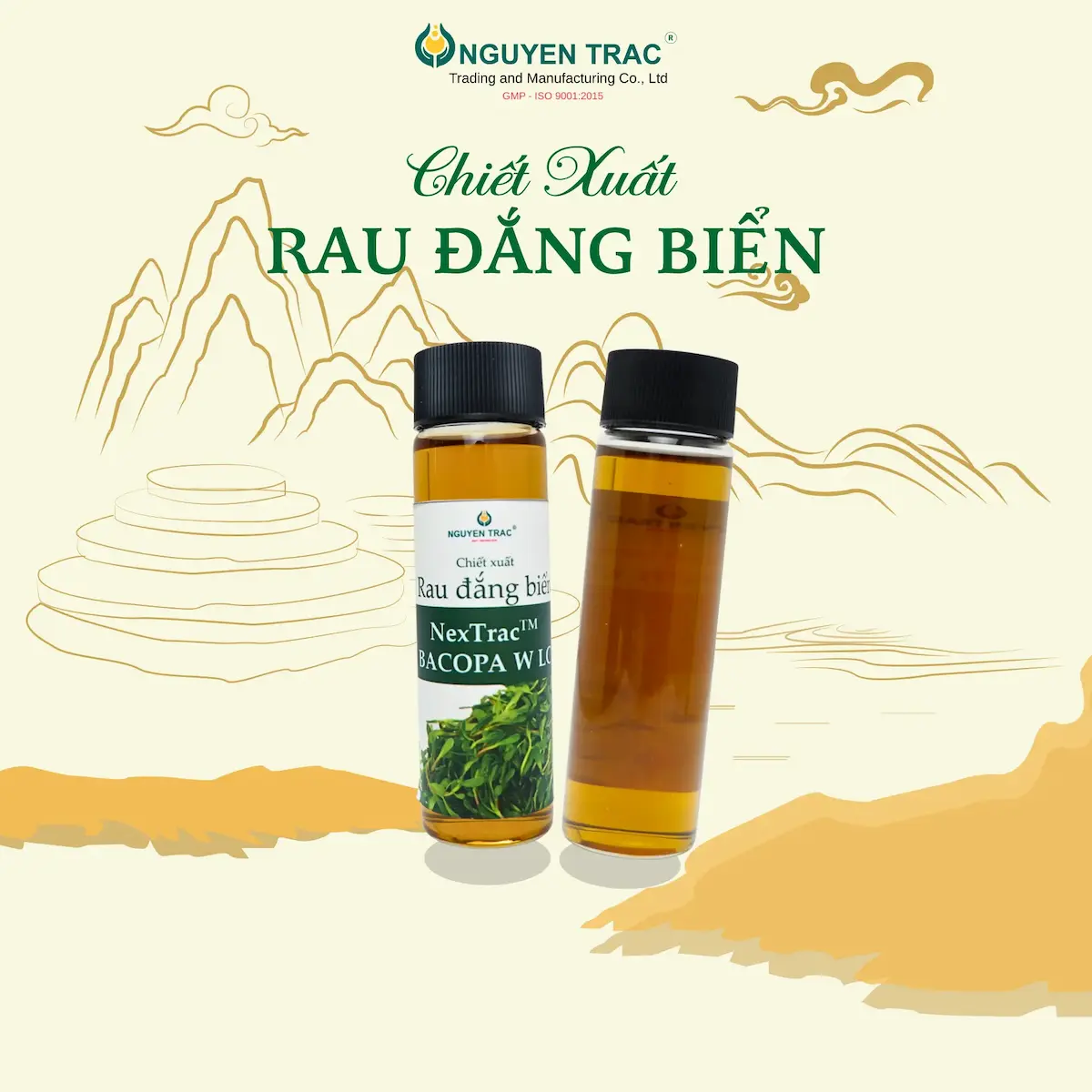
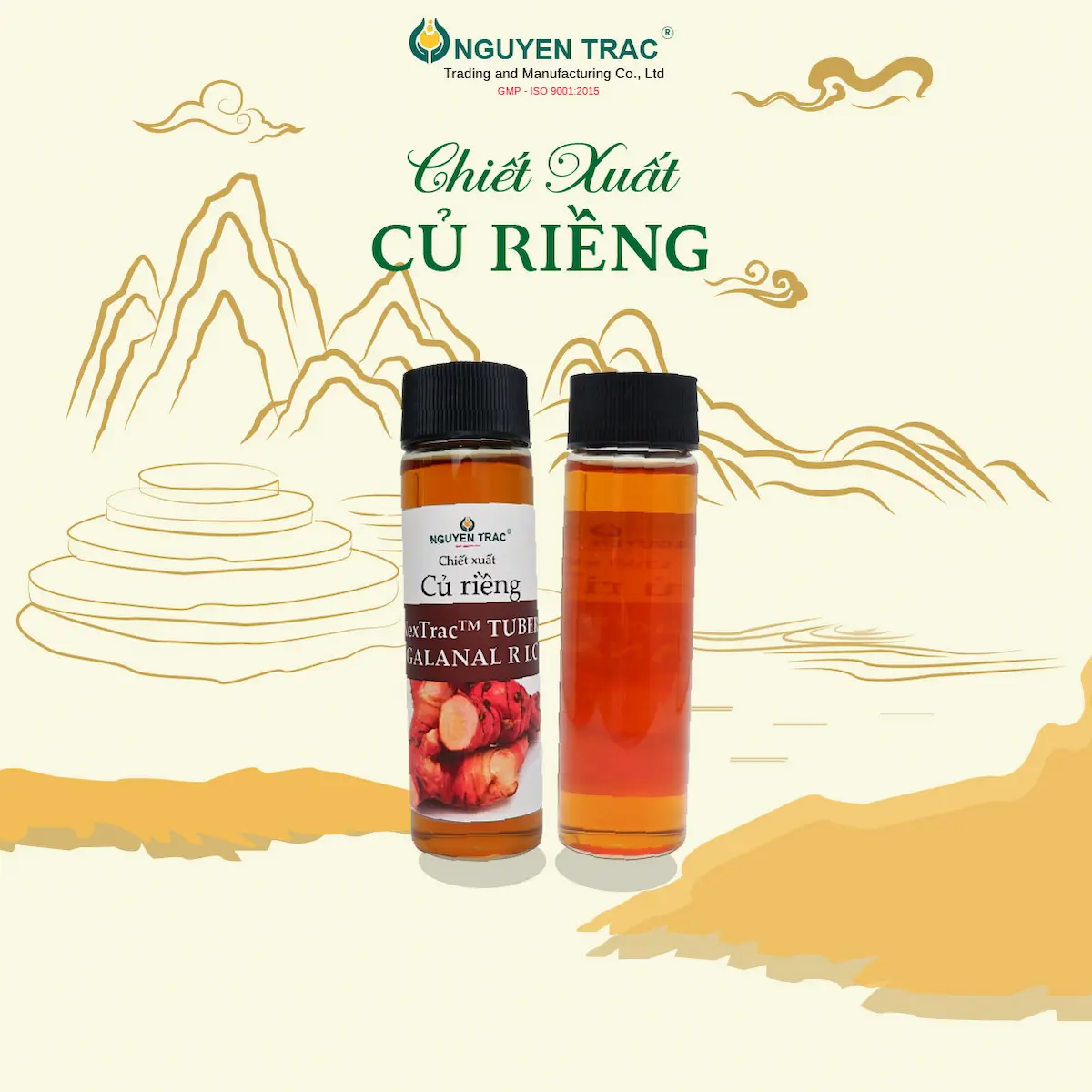
NexTrac® GALANAL R LC - NexTrac® GALANAL R LC
INCI Name: Propylene Glycol, Alpinia Officinarum Root Extract
Trade Name: NexTrac® GALANAL R LC
Product Category: extract
CAS Number: N/A
WHAT IS GALANGAL?
Some ingredients have been part of Vietnamese kitchens for generations, yet are rarely viewed from the perspective of cosmetic raw materials. Galangal is one of them.
In Vietnamese daily life, galangal is best known as a spice with a distinctive aroma, pungent taste, and warming properties. It is widely used in traditional Vietnamese dishes and has also been part of traditional herbal practices.
Galangal (Alpinia officinarum Hance, also known as lesser galangal or Chinese galangal) belongs to the ginger family (Zingiberaceae). It is a perennial herbaceous plant widely distributed in Vietnam and China [1]. In traditional medicine across several Asian countries, galangal rhizomes have been used for centuries, mainly for digestive discomfort, common cold symptoms, circulatory support, and swelling relief [1].
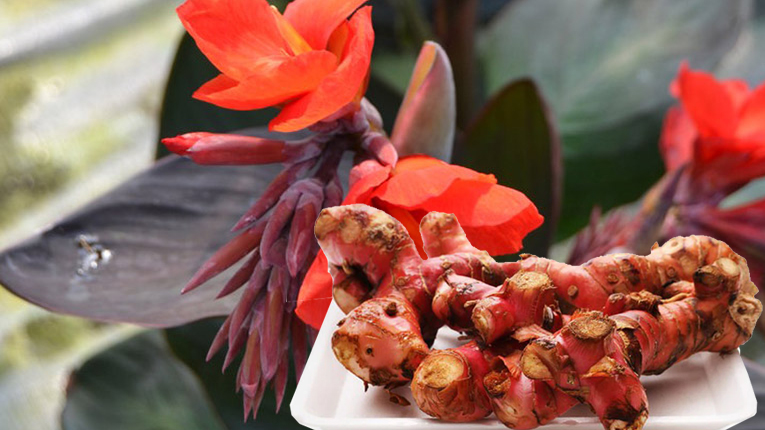
GALANGAL ROOT EXTRACT
Studies on Galangal (Alpinia galanga) have shown that its rhizomes contain various phytochemicals, including flavonoids, phenolic compounds, and diarylheptanoids, with galangin, kaempferide, and other characteristic compounds being among the notable constituents [1][2].
Through extraction, these compounds can serve as a source of bioactive ingredients that have been investigated for their antioxidant, anti-inflammatory, antibacterial, and tyrosinase-inhibitory activities. These properties have contributed to the growing interest in Galangal as a potential botanical ingredient for skincare formulations [2].
Notably, one study on Alpinia galanga extract combined phytochemical profiling with in vitro and in vivo evaluations, demonstrating the potential cosmetic applications of Galangal extract [2].
KEY BENEFITS
Antioxidant:
Polyphenols, flavonoids, and particularly galangin may help neutralize free radicals and support the skin's defense against oxidative stress and premature skin aging.

Tyrosinase Inhibition & Melanin Synthesis Support:
Galangal extract has been investigated for its ability to inhibit tyrosinase, an enzyme involved in melanin biosynthesis, thereby supporting a more even skin tone and the improvement of uneven pigmentation.

Antibacterial:
Galangal extract has demonstrated antibacterial potential, supporting its application in skincare products designed for oily and blemish-prone skin, cleansing formulations, and products aimed at helping control bacteria associated with skin inflammation and blemishes.
Anti-inflammatory:
Galangal contains bioactive compounds such as galangin, kaempferol, alpinin, and 1'-acetoxychavicol acetate, which have been investigated for their anti-inflammatory activity. These compounds may contribute to increased levels of anti-inflammatory cytokines, including IL-10 and TGF-β, supporting the regulation and soothing of inflammatory responses [3].
COSMETIC APPLICATIONS
Galangal Root Extract can be considered for a range of personal care formulations.
It may be suitable for formulations targeting:
- Antioxidant skincare
- Skin brightening support
- Uneven skin tone care
- Protection against environmental stressors
Oily & Blemish-Prone Skin Care
The antibacterial activity demonstrated in testing of NexTrac® GALANAL R LC suggests potential applications in cleansing formulations and skincare products designed for oily and blemish-prone skin.
Potential product applications include facial cleansers, sunscreens, lotions, body care products, and other personal care formulations.
FREQUENTLY ASKED QUESTIONS
1. What are the benefits of Galangal Root Extract for the skin?
Galangal Root Extract has been investigated for its antioxidant, antibacterial, and tyrosinase-inhibitory activities. These properties make it a potential ingredient for anti-aging support, blemish-prone skin care, and skin-brightening formulations.
2. Does Galangal Root Extract whiten the skin?
Galangal extract is not a "skin-whitening" or bleaching agent. Its ability to inhibit tyrosinase, an enzyme involved in melanin production, may help support skin brightening and a more even skin tone when incorporated into an appropriate cosmetic formulation.
3. Can Galangal Root Extract treat acne?
In in vitro testing, the extract demonstrated antibacterial activity against S. aureus and S. epidermidis, two bacterial species associated with skin inflammation. Therefore, it may be considered for formulations intended to support bacterial control in blemish-prone skin. However, it is not an acne treatment or a medicinal product.
4. What is galangin in galangal?
Galangin is a characteristic flavonoid found in the rhizomes of galangal. It has been investigated for various biological activities, including antioxidant and anti-inflammatory effects.
5. Is culinary galangal the same as cosmetic Galangal Extract?
Both originate from the galangal rhizome. However, cosmetic extracts are specifically manufactured and controlled as cosmetic raw materials for use in personal care formulations. Fresh culinary galangal should not be directly substituted for a cosmetic-grade extract or applied directly to the skin.
REFERENCES
(1) Nguyễn, T. B. T., et al. (2020). Một số polyphenol trong cao chiết ethyl acetate của củ riềng Alpinia officinarum. Tạp chí Dược học, 60(5), 68–72.
(2) Zhang, L., et al. (2021). Potential neuroprotective effects of Alpinia officinarum Hance (Galangal): A review. Frontiers in Pharmacology, 12, 622839.
(3) Tundis, R., Xiao, J., Loizzo, M. R., & Bonesi, M. (2023). Alpinia galanga (L.) Willd: A comprehensive review on phytochemistry, pharmacology, analytical characterization, nanotechnology applications, clinical evidences and safety profile. Phytomedicine, 118, 154942.
Product Information
- Origin: Vietnam
- Status: In stock
Related Products