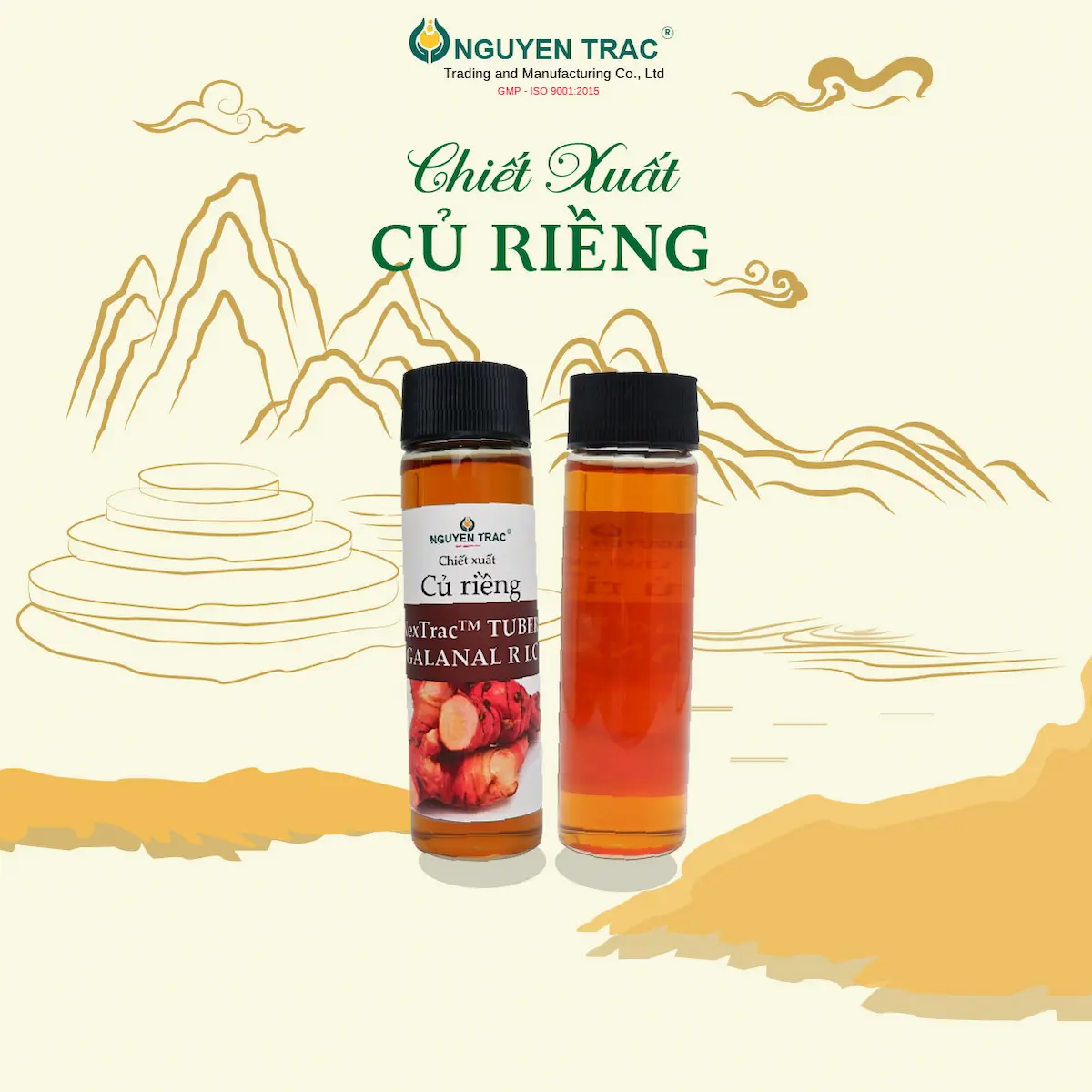

TUBER FLEECEFLOWER EXTRACT - NexTrac™ NE TUBER FLEECEFLOWER R LC
INCI Name: Reynoutria Multiflora Root Extract, Aqua, Propylene Glycol, Butylene Glycol, 1,2- Hexanediol
Trade Name: NexTrac™ NE TUBER FLEECEFLOWER R LC
Product Category: extract
CAS Number: N/A
Introduction to Tuber Fleeceflower
Tuber fleeceflower, scientifically known as Fallopia multiflora (synonym: Polygonum multiflorum), is a valued medicinal plant belonging to the Polygonaceae family and the order Caryophyllales. In Vietnamese folk medicine, it is also known by names such as “giao đằng,” “dạ hợp,” “mã liên an,” “mần ô,” “tiêu độc căn,” and “tư ô đằng.”
This perennial climbing plant has soft stems that often twine together as they grow. Its roots develop into large tubers with a characteristic reddish color and are the part most commonly used in traditional medicine. The leaves are small and heart-shaped with pointed tips, while the white flowers grow in clusters at the branch tips or leaf axils. The plant typically flowers in October and bears fruit in November. Its fruits are dry, three-sided, and do not split open when ripe. Tuber fleeceflower is primarily distributed across the hilly and mountainous regions of East Asia, particularly China, Japan, and Vietnam.
Throughout the history of East Asian traditional medicine, tuber fleeceflower has been documented in classical works such as Li Shizhen’s Compendium of Materia Medica. It is traditionally valued for nourishing the liver and kidneys, replenishing essence and blood, supporting hair darkening, and strengthening the body. Modern research has continued to investigate this medicinal plant, identifying various bioactive compounds, including stilbenes, quinones, flavonoids, lipids, and other constituents. Among these, stilbenes and anthraquinones are considered two characteristic groups of active compounds [1].
Key Benefits of Tuber Fleeceflower Extract
Antioxidant Activity
Tuber fleeceflower root extract contains numerous antioxidant compounds that help protect the skin against free radicals and limit the effects of oxidative stress on cells. These properties help slow the visible signs of premature aging while maintaining the skin’s youthful appearance, elasticity, and natural vitality. Among its constituents, TSG is recognized for its strong antioxidant activity and important role in helping protect skin cells against oxidative stressors [2].
Support for Hair Darkening and Hair Growth
Tuber fleeceflower has long been recognized as a medicinal herb associated with hair care. Some studies suggest that 2,3,5,4′-tetrahydroxystilbene-2-O-β-D-glucoside (TSG) may help promote hair development, supporting hair growth and improving premature graying [3].
In vitro studies have reported that tuber fleeceflower extract may help reduce oxidative stress around hair roots. This effect contributes to increased proliferation of hair follicle cells and greater expression of genes involved in melanin synthesis, supporting healthier hair growth and naturally darker hair pigmentation.
Antibacterial Activity
The antibacterial properties of tuber fleeceflower are thought to be associated with bioactive compounds in its roots, particularly anthraquinones such as emodin and physcion, along with THSG. These constituents help control microbial growth and support a balanced, clean, and healthy skin environment [4].
Anti-inflammatory Activity
TSG in tuber fleeceflower extract has been reported to support anti-inflammatory activity by regulating markers associated with inflammatory responses, including TNF-α, IL-1β, IL-6, and NOS-2. Through this mechanism, the compound helps soothe irritation, reduce the adverse effects of inflammation, and maintain skin balance [5].
Cosmetic Applications
With its antioxidant, anti-inflammatory, antibacterial, and hair care properties, tuber fleeceflower extract is incorporated into various cosmetic and personal care products. It is particularly suitable for formulations designed to care for the scalp, nourish the hair, and help protect the skin against environmental aggressors.
Hair care products: Shampoos, conditioners, hair essences, scalp serums, hair masks, and other hair care formulations.
Skin care products: Serums, creams, lotions, gels, facial masks, and other skin care formulations.
References
[1] Nguyễn, T. H. T., Nguyễn, Đ. L., Bùi, T. T. L., Nguyễn, T. H. T., Trần, T. H., & Trần, Đ. T. (2022). Các hợp chất phenolic phân lập từ rễ cây Hà thủ ô đỏ (Fallopia multiflora Thunb.) ở Việt Nam [Phenolic compounds isolated from the roots of Fallopia multiflora Thunb. in Vietnam]. Tạp chí phân tích Hóa, Lý và Sinh học, 27(3).
[2] Lin, H. T., Nah, S. L., Huang, Y. Y., & Wu, S. C. (2010). Potential antioxidant components and characteristics of fresh Polygonum multiflorum. Journal of Food and Drug Analysis, 18(2), 120–127.
[3] Park, H. J., Zhang, N., & Park, D. K. (2011). Topical application of Polygonum multiflorum extract induces hair growth of resting hair follicles through upregulating Shh and β-catenin expression in C57BL/6 mice. Journal of Ethnopharmacology, 135(2), 369–375.
[4] Tsai, P. W., Chen, L. G., & Wang, C. C. (2025). Investigating the enhancing effects of traditional processing on the pharmacological and electrochemical functions of Polygonum multiflorum using THSG as a key marker. Journal of King Saud University – Science, 37(11), 3392025.
[5] Feng, Q., Huang, Z., Sun, Y., Sun, R., & Zhang, G. (2021). Stilbene glucoside: recent advances in pharmacology, bioinformatics investigation, toxicity and future opportunities. Pharmazie, 76, 351–358.
Product Information
- Origin: Vietnam
- Status: In stock
Related Products